24. June 2026
News
Filtrer resultater






- Alle
- Articles
- Blog
- Conference
- Debate
- Knowledge
- Management
- News
- Professional articles
- Professional perspective
- School
- Vlog
28. June 2026
25. June 2026
Dear politicians - maybe we are looking in the wrong place!
Blog
25. June 2026
What is autism? - an introduction to the autism spectrum
Vlog
25. June 2026
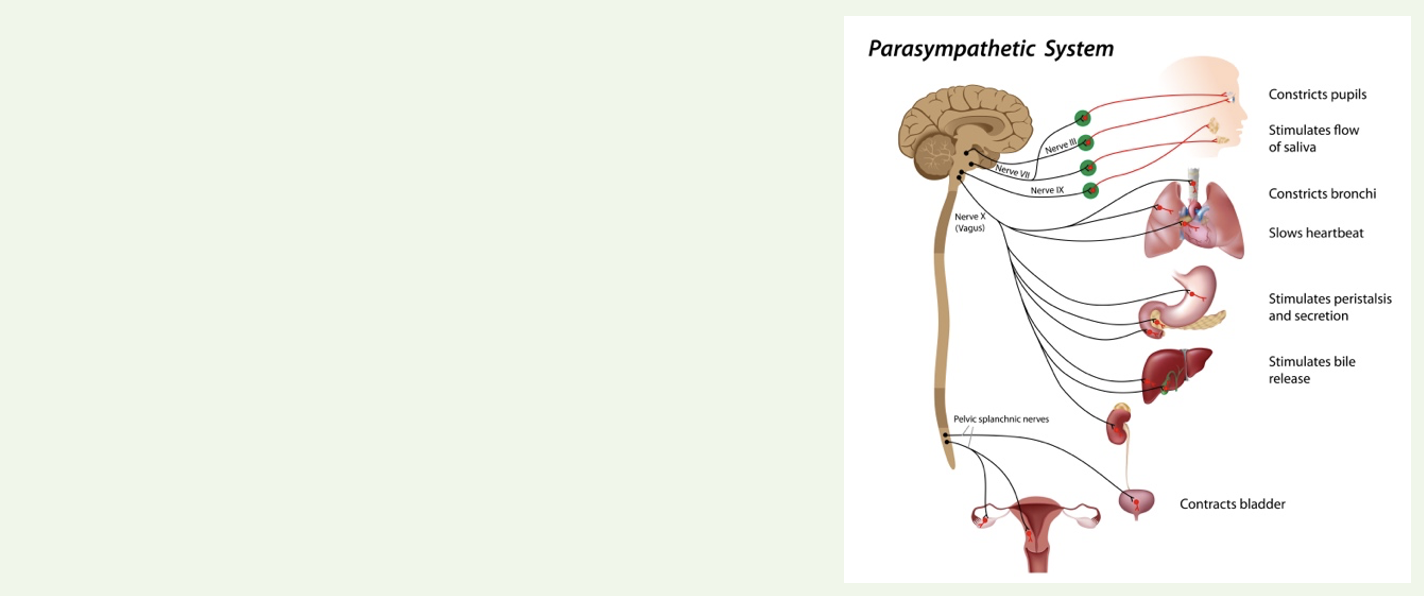
Cranial Nerves and the Parasympathetic System - When the Social Becomes Physical
Professional articles
25. June 2026
Hikikomori - when home becomes the whole world
Professional articles
24. June 2026
Kirsten is in Singapore
Blog
28. November 2025
Management
Psykologisk Ressource Centers Signature Conference 2026
Welcome to Psykologisk Ressource Center’s Signature Conference 2026
We live in a time when autism is becoming a more prominent part of the conversation – but where the quality of the circulating knowledge still varies. In some places, autism is still described from the outside, as behavior that needs to be explained, corrected, or “managed”. And too often, we lack what makes the biggest difference: autistic insider perspectives and practice-oriented professionalism that can be translated into everyday security.
28. November 2025
Knowledge
I have partnered with Ligeværd to create a short training course for teachers and educators
I have partnered with Ligeværd to create a short training program for teachers and educators in day-care institutions, schools, the entire special education sector for youth education, and other professional fields. The focus is to disseminate knowledge about autism, ADHD, and other neurodivergent conditions, so that professionals are equipped to use the neuroaffirmative approach in their work.
28. November 2025
Debate
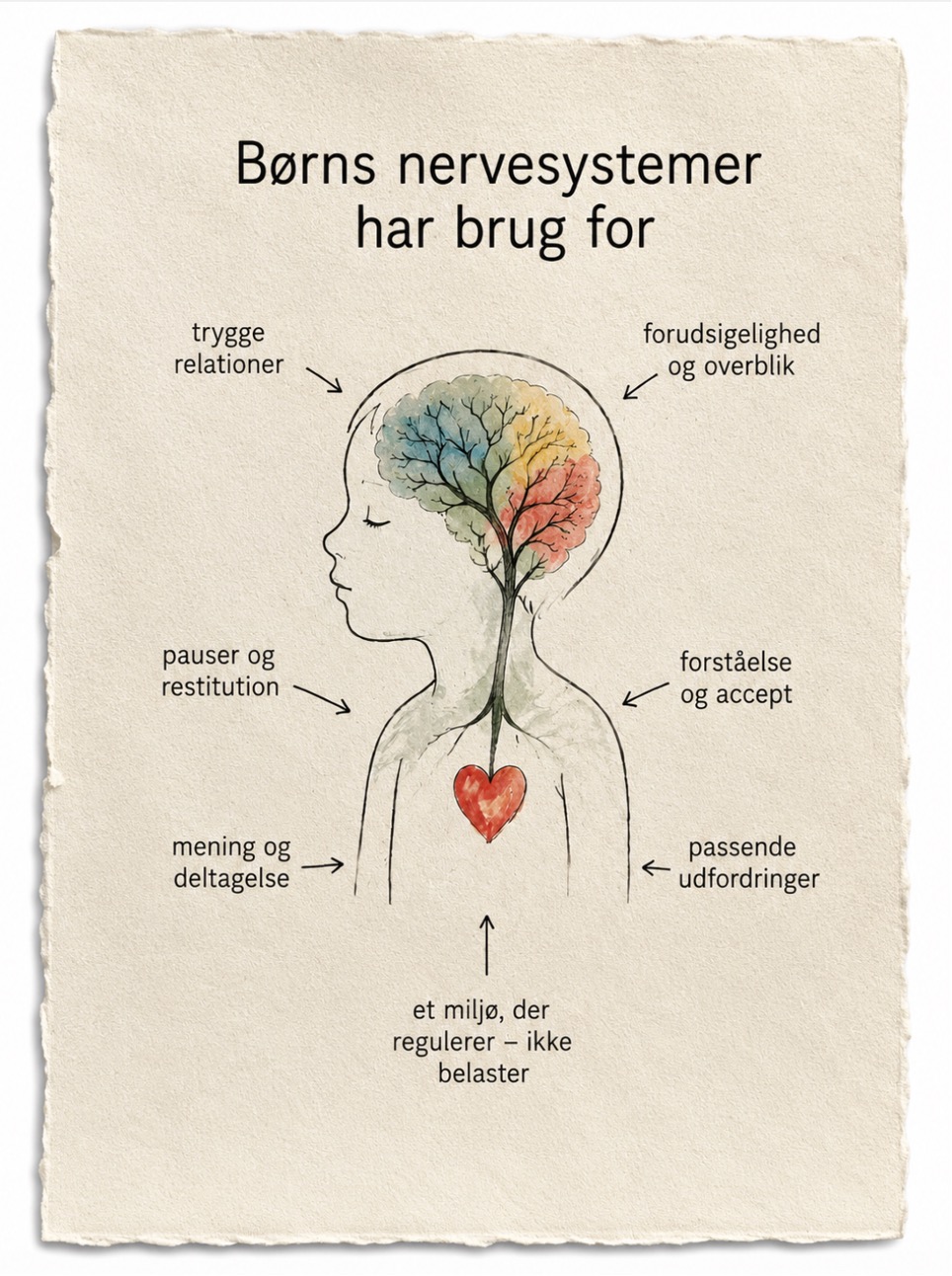
Why do so many children have problems today?
28. November 2025
Knowledge
Mission10forty
In 2014, I started working with children and young people with stress conditions and traumas. Initially, it was children and young people with autism spectrum conditions who had been exposed to far too many school-related traumatic events and who had developed involuntary school absenteeism.
28. November 2025
News
The neuroaffirming approach
The neuroaffirmative approach is based on the understanding that people function differently – also neurologically. The idea stems from the international neurodiversity movement, which sociologist Judy Singer articulated in the 1990s with the concept of ‘neurodiversity’ – a movement away from viewing differences as flaws, and towards understanding them as variation. From a deficit viewpoint to a diversity perspective.
28. November 2025
News
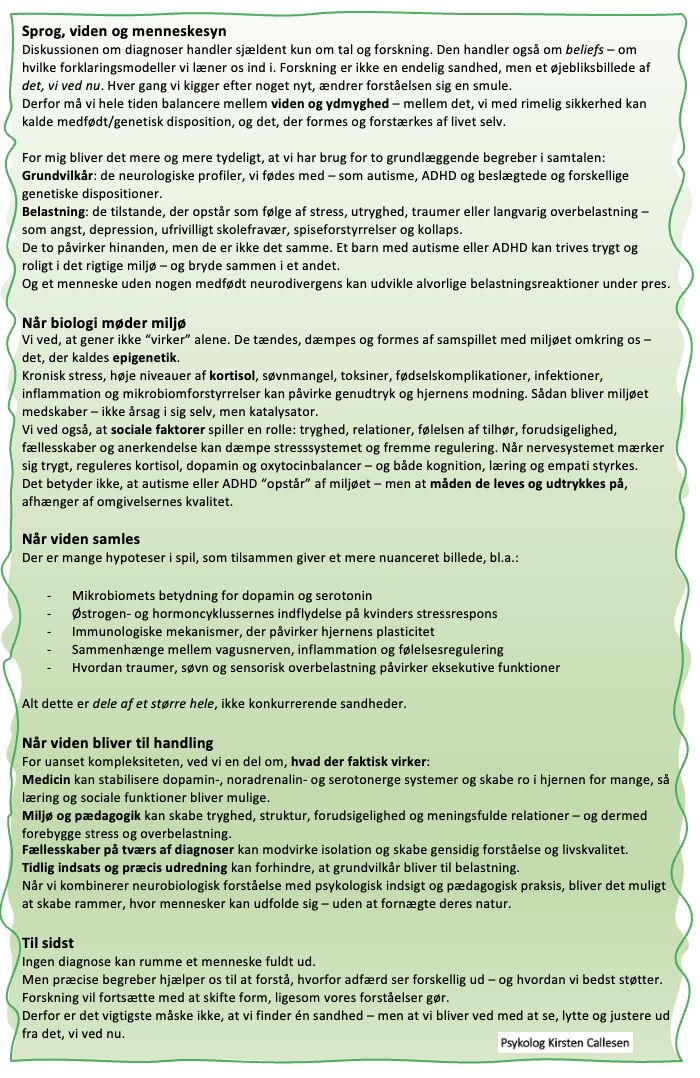
Genetics, environment, and view of humanity meet
I like simple explanations – even when the subject is complex. They can create clarity and a common direction in a field where many speak from their own perspective.
19. November 2025
News
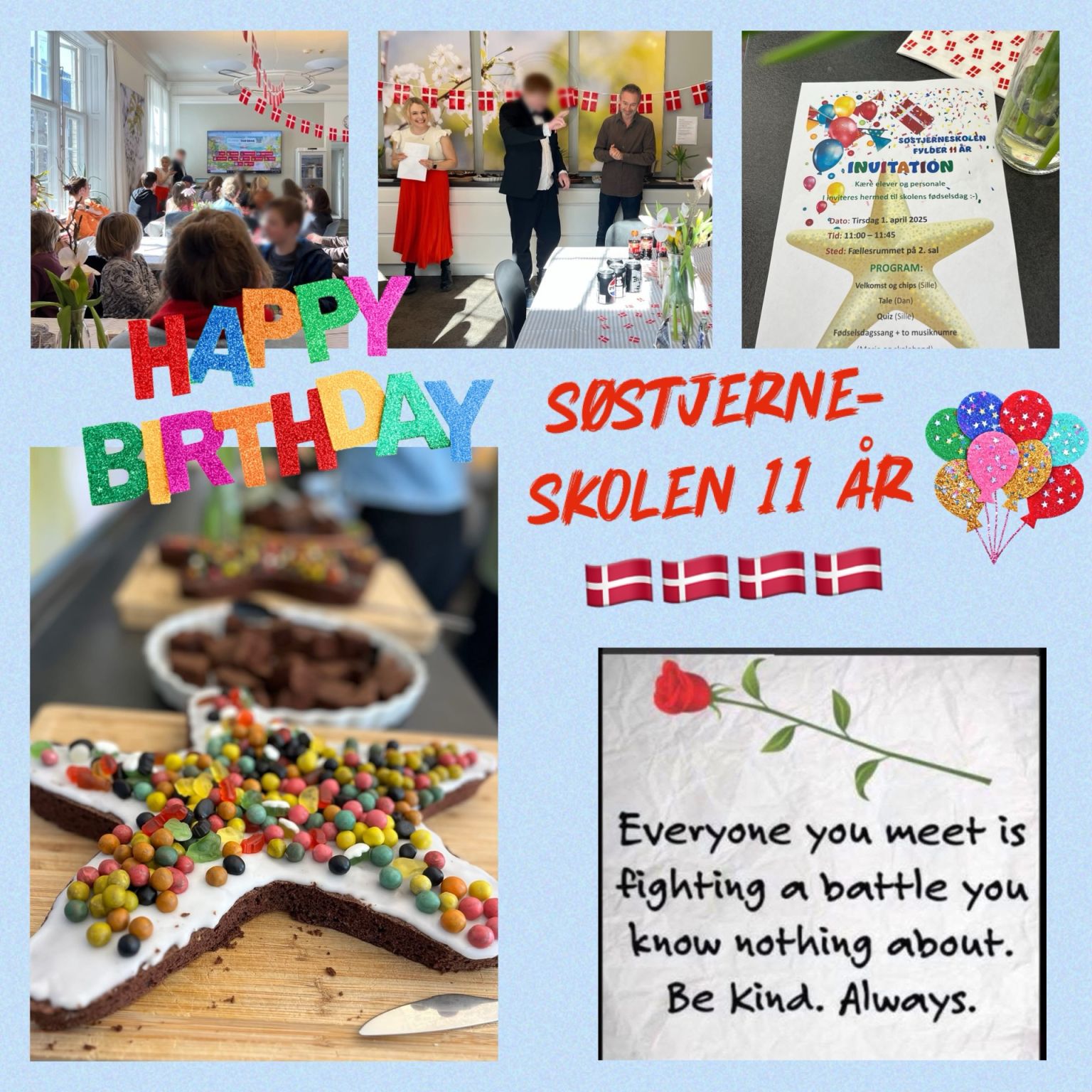
Søstjerneskolen turns 11 years old
Congratulations to the most wonderful Søstjerneskole on your 11th birthday
When I founded the school in 2014, the vision was to create a school program where autistic students could tolerate being, and where many years of struggle and school absenteeism could be alleviated.
19. November 2025
Conference
children with autism and ADHD diagnoses should be included in the classrooms.
19. November 2025
News
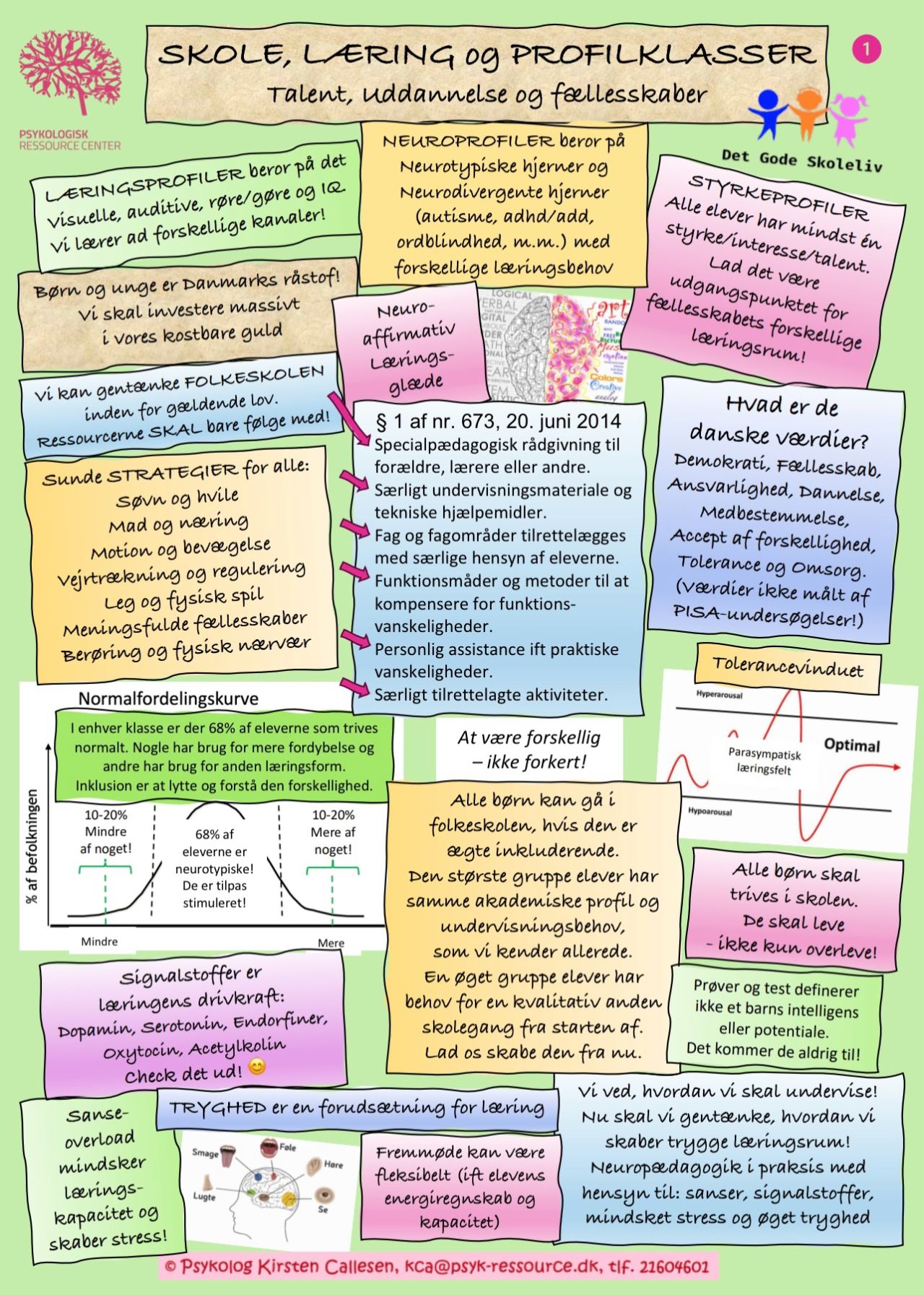
To be different - not wrong!
To be different – not wrong!
So as Christmas approaches and it’s time for reflection on the past year, various thoughts come to mind.
I hope the new year brings with it acceptance of neurodiversity – in all ages, institutions, workplaces, social strata, and families.
19. November 2025
Debate
Strength-based learning in reassuring environments
Strength-based learning in safe and supportive environments
After 30 years in the field of educational psychology, first as a teacher and later as a psychologist specializing in autism and ADHD, two things stand brilliantly clear when it comes to neurodivergent students:
1. All children and young people must feel secure in their institutional everyday life with enough trained adults whom they can and dare to lean on, and who provide care.