About me

I work with people, patterns, and systems – and with translating complex knowledge into concrete actions that create more understanding, regulation, and agency in reality.

Explore
Meeting people – with curiosity and understanding
In my work, I meet people with curiosity and respect. I believe that we can best help others and each other when we understand what experiences, strengths, and challenges we all face in life.

My work and commitment

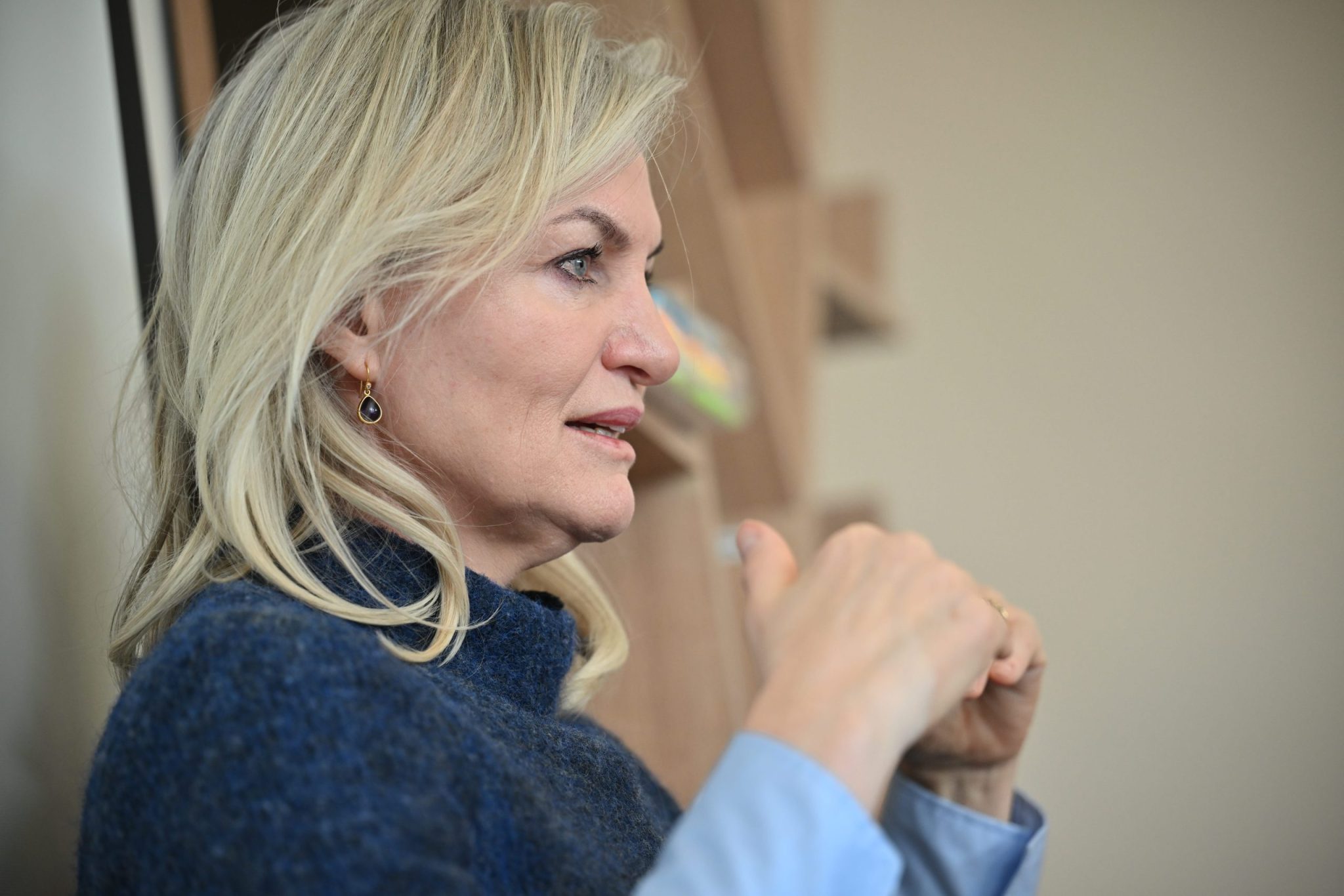
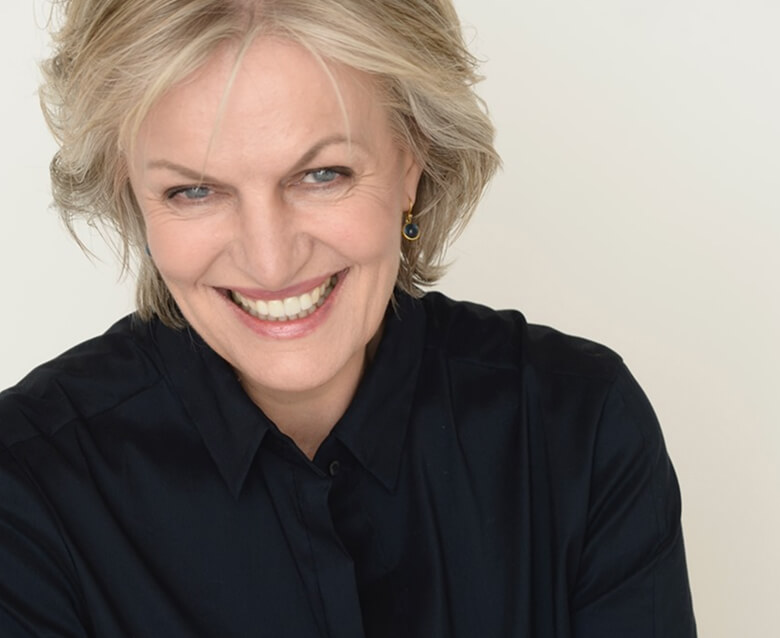
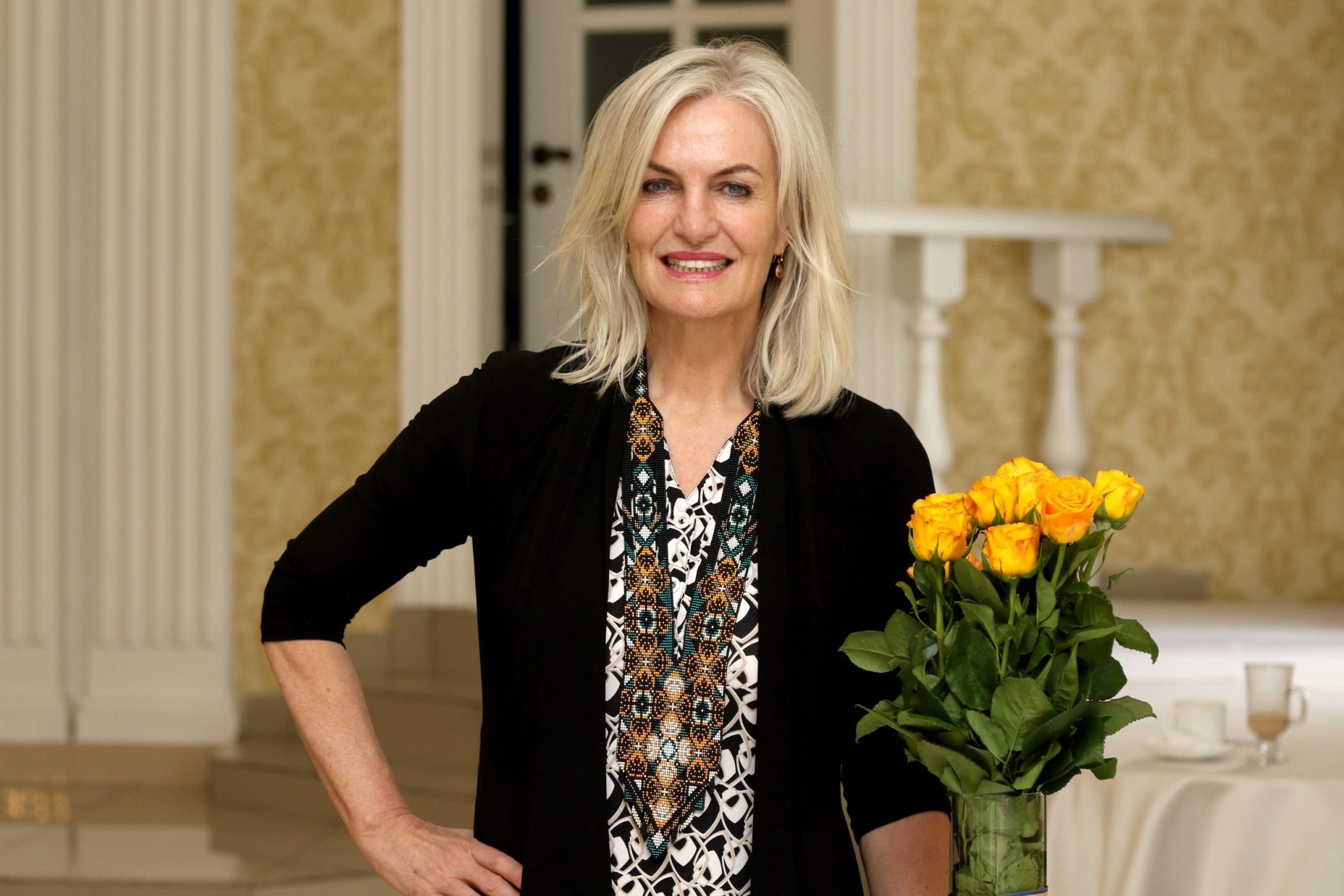
My name is Kirsten Callesen. I am a psychologist, educator, author, developer, communicator, and initiator of several professional and humanitarian projects in Denmark and internationally.

This website has been put together to provide an overview of my work. It spans Psykologisk Ressource Center, Systemizer International, Mission10forty, RESET, CAT-kit and KAT-kassen, and a range of other projects, all of which, in their own way, are about people, development, understanding, regulation, learning, and dignity.

For many years, I have worked with children, young people, adults, families, professionals, organizations, and systems. Part of my work involves Systemizers, autism, ADHD, AuDHD, PDA, senses, school absenteeism, masking, and complex profiles. But this is only one part of my work.
Questions that drive me

How do we better understand people so we can act more wisely?

I work with what often lies beneath the surface: stress, trauma, grief, burden, nervous system, relationships, culture, learning, power, misunderstandings, and the frameworks people live within. I am concerned with both the individual person and the systems that surround them: the family, the school, psychiatry, the municipality, the workplace, the organization, the church, civil society, and the political reality.

I am the founder of the Psychological Resource Center, where for many years the work has been close to people in practice: assessment, treatment, teaching, supervision, conversations, programs, and the development of concrete tools.

I have developed Systemizer and SPQ 2.0 – Systemizer Profile Questionnaire, because I lacked a more precise language for how people think, sense, shift attention, use energy, communicate, and navigate socially. Systemizer is not about putting people in boxes. It is about creating a better language for diversity, function, and patterns.

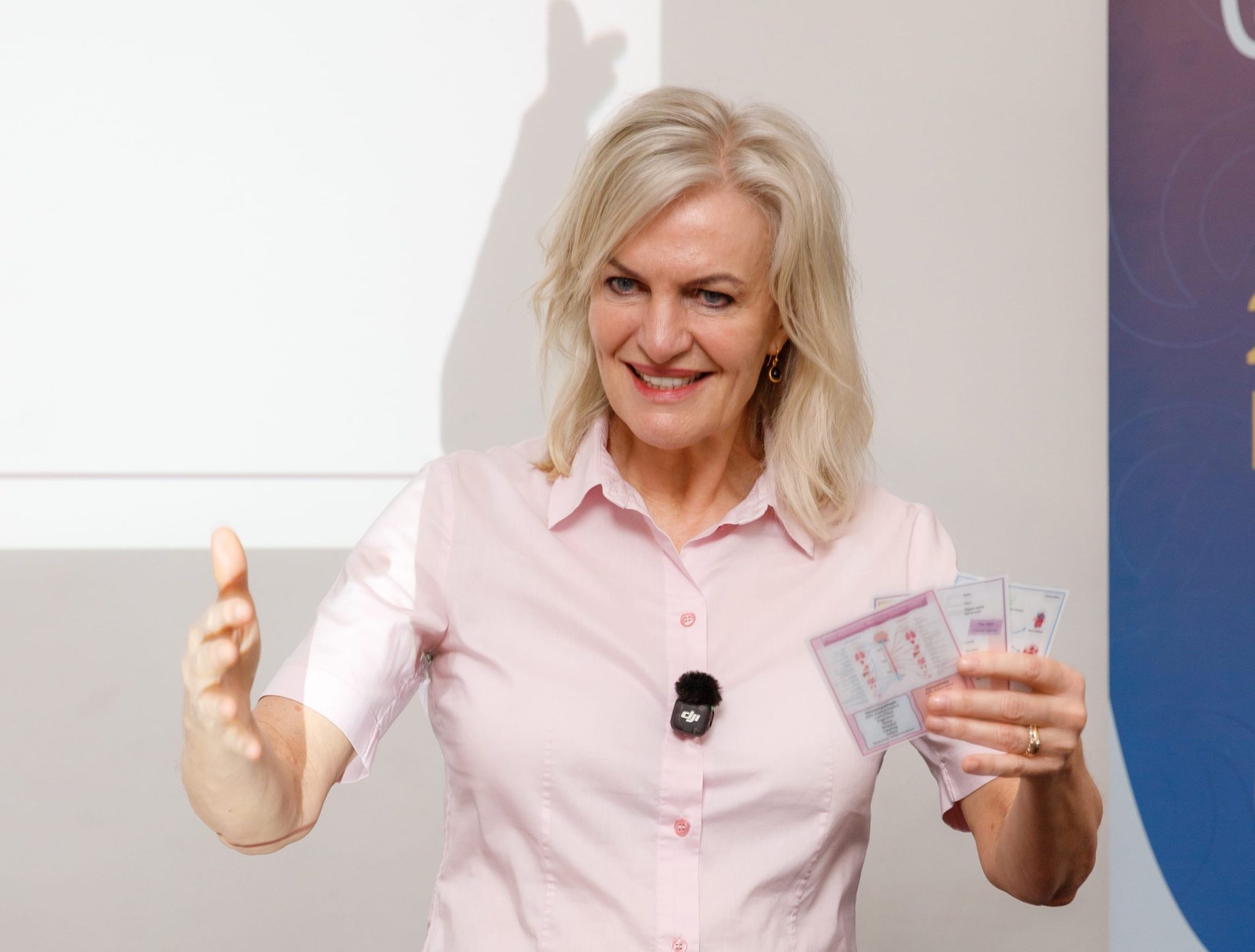
For many years, I have worked with CAT-kit and KAT-kassen, which have been very significant for my way of working with conversations, emotions, thoughts, bodily signals, and self-understanding. I appreciate concrete and visual methods because they can help people show what they cannot always explain in words.

I have developed RESET, a practice-oriented material about stress, trauma, the nervous system, and regulation. RESET is created for reality: for children, young people, adults, professionals, families, and organizations that need concrete tools that can be used when the burden is high. It is about understanding the nervous system and providing people with simple ways to regulate themselves and each other.

Through Mission10forty, I work with international humanitarian and trauma-related professional work, among other things, in areas characterized by war, persecution, flight, and extreme strain. Here, my work is not just about therapy or education. It is also about hope, prevention, responsibility, community, and providing professionals and local resources with concrete tools they can pass on.

My work has taken me from Denmark to Ukraine, Armenia, Iraq, Singapore, and New York, among other places. Sometimes I teach professionals at conferences and educational programs. Other times, I am in more vulnerable contexts where children, families, and local communities live with the consequences of war, trauma, persecution, or long-term strain.

For me, these levels are interconnected. A child’s nervous system is connected to the family. The family is connected to the school, the municipality, and the culture. The culture is connected to history. And history is connected to the choices that society and leaders make. Therefore, one cannot always limit oneself to looking at the individual. One must also look at the frameworks surrounding the person.

My approach is non-authoritarian but not unclear. I do not like power for power’s sake, and I ask questions when children, young people, families, or vulnerable groups are made the problem without anyone properly investigating the context. At the same time, I am clear when something is important. Especially when it comes to dignity, justice, and responsibility.

I think in systems. I see patterns, connections, and deficiencies. I can immerse myself for a long time in a model, a questionnaire, a case, a translation, a method, an illustration, or a formulation, until it becomes more precise and useful. I do not do it to oversimplify people. I do it to create tools that can be used in practice.

I love books, travel, history, culture, languages, creativity with an edge, animals, nature, and people who cannot be explained by a single category. I need to understand how things connect. Not just professionally, but also humanly, bodily, culturally, and existentially.

I live in Hellerup with Kim, my husband and high school sweetheart. In the countryside near Jungshoved by Præstø, we have Søbygaard, which is both a course center and a place of peace, nature, Icelandic horses, and Norwegian Forest Cats. Søbygaard is a place where there is room for teaching, in-depth study, professional conversations, and breaks.

I am the mother of Justine, who will soon be an occupational therapist. I also lost my brother Peter Dyhr when he was just 51 years old. Grief is a part of my life and has made me more aware of how important it is not to waste people’s lives on misunderstandings, shame, rigidity, or systems that do not listen.

When I look at my work as a whole, it’s not about one field or one target group. It’s about developing languages, methods, and communities that make people and systems smarter and create internal coherence.

  • It’s about children and young people.
  • It’s about families and professionals.
  • It’s about organizations and society.
  • It’s about trauma, regulation, learning, justice, and hope.
  • It’s about understanding more so we can do better.

From Psykologisk Ressource Center to Systemizer International.

From CAT-kit and KAT-kassen to RESET.

From Søbygaard to Singapore, Ukraine, Armenia, Iraq, and Thyborøn.

My work often begins with the same question:

What is it that we still haven’t understood well enough?

Write to me

+45 21 60 46 01